 EN
EN
 IT
IT
 FR
FR
 DE
DE

molding
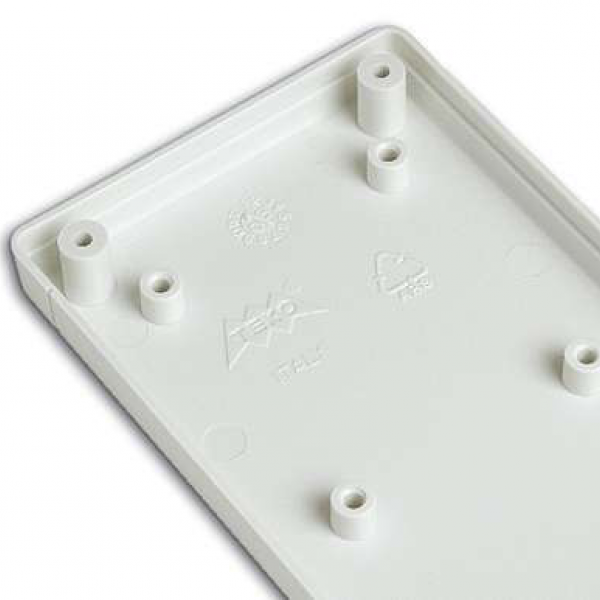
MOLDING: Injection molding is an industrial manufacturing process used to create objects made of plastic (or other materials) by injecting molten material at high pressure into a closed mold. How the process works:
- Feeding: Plastic granules enter the machine from a hopper and descend into a heated cylinder.
- Melting: A rotating screw (auger) pushes the material forward; heat and friction melt the plastic, turning it into a liquid.
- Injection: The screw forces the molten plastic into the mold cavity at very high pressure.
- Cooling: The material cools and solidifies, taking on the exact shape of the mold.
- Ejection: The mold opens, and the finished part is automatically ejected.
Key advantages:
- Speed: It is ideal for mass production and serial manufacturing.
- Precision: It allows for complex geometries and very fine details.
- Repeatability: Each part is identical to the previous one.
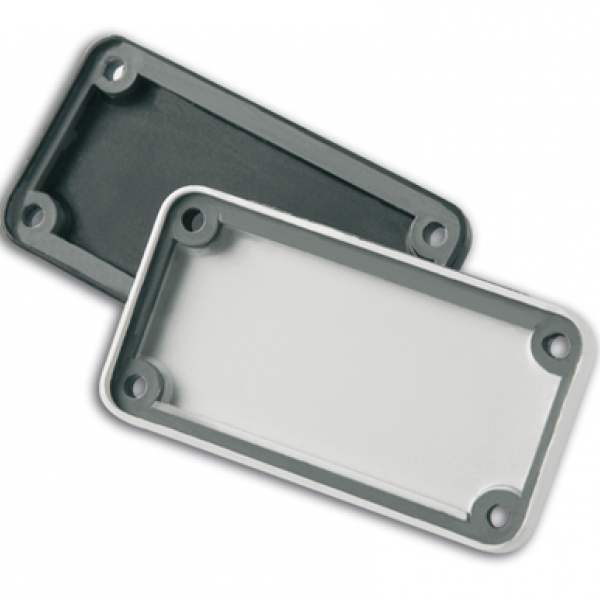
- CO-MOLDING:
Injection co-molding (or overmolding) is a manufacturing process that allows two or more different materials or components to be joined into a single, integrated part during the molding phase. The molding of the two materials takes place in rapid succession. How the process works:
- A first, more rigid material (usually ABS) is injected into the mold to create the base.
- A second material (typically a flexible polymer, rubber, or elastomer) is introduced; it fuses or bonds—chemically or mechanically—to the first component.
- The entire process occurs in successive cycles, usually utilizing the same rotary press or a secondary injection step.
Key advantages:
- Cost reduction: Eliminates subsequent manual assembly or part-bonding stages.
- Superior strength: The bond between materials is stronger and more precise than mechanical assembly.
- Functional improvement: Combines the sturdiness of rigid plastic with the comfort or grip of soft material.
- Aesthetic improvement: Allows for molding two materials in different colors.
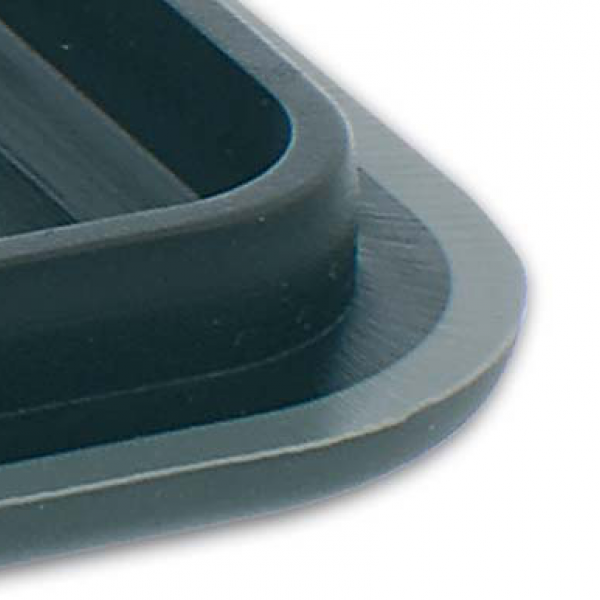
OVERMOLDING:
Injection overmolding is a hybrid manufacturing process in which a material is injected over a pre-existing substrate or component (known as an insert) to create a single, solid part with combined properties. Unlike co-molding, overmolding takes place in two distinct, successive stages using two different molds. How the process works:
- First component (Substrate): The base of the object is created; this can be made of rigid plastic (ABS, in our case).
- Second layer (Overmold): A second material—often a softer thermoplastic elastomer (TPE or TPU)—is injected over or around the substrate.
- Adhesion: The materials bond via chemical or mechanical means, or a combination of both, during the cooling process.
Key advantages:
- Improved inventory management of semi-finished products.
- Cost reduction: Eliminates subsequent manual assembly or gluing steps.
- Superior strength: The bond between the materials is stronger and more precise than that achieved through mechanical assembly.